Introduction to Machine Learning for Beginners
Machine Learning (ML) is a subset of artificial intelligence that enables computers to learn and make decisions from data without being explicitly programmed. This revolutionary technology powers everything from recommendation systems to autonomous vehicles.
What is Machine Learning?
At its core, machine learning involves training algorithms to recognize patterns in data and make predictions or decisions. There are three main types:
1. Supervised Learning
The algorithm learns from labeled training data. Examples include:
- Linear Regression
- Decision Trees
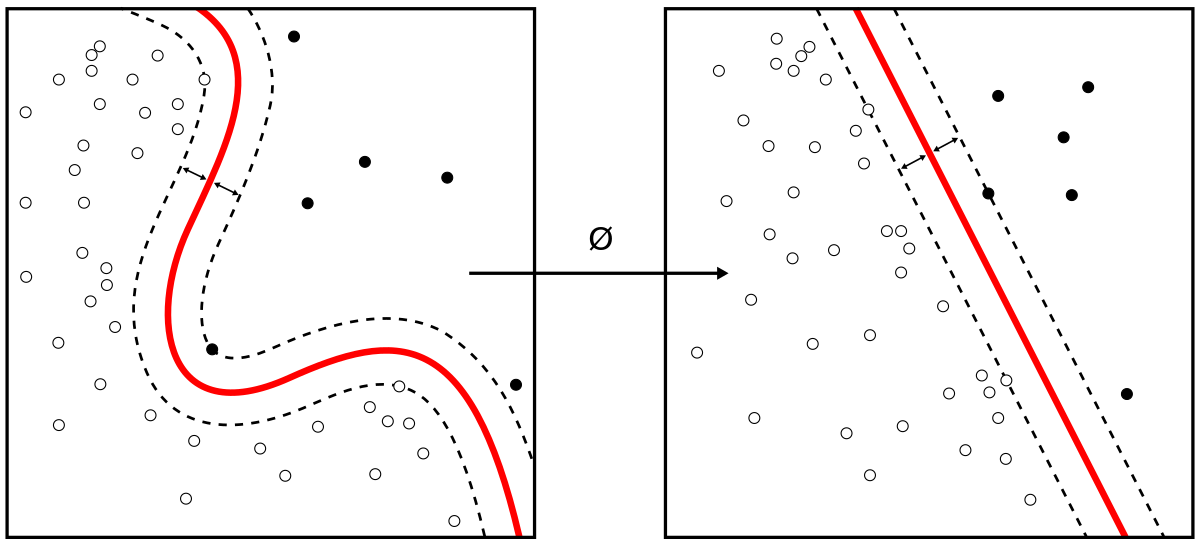
- Support Vector Machines
- Neural Networks
2. Unsupervised Learning
The algorithm finds patterns in data without labels. Examples include:
- K-Means Clustering
- Principal Component Analysis (PCA)
- Association Rules
3. Reinforcement Learning
The algorithm learns through trial and error, receiving rewards or penalties. Examples include:
- Game playing (AlphaGo)
- Robotics
- Recommendation systems
Key Concepts
Training Data
The dataset used to teach the model patterns and relationships.
Features
The input variables used to make predictions.
Labels
The output or target variable in supervised learning.
Model Evaluation
Techniques to assess how well your model performs on unseen data.
Getting Started with Python
Python is the most popular language for machine learning. Key libraries include:
- NumPy: For numerical computations
- Pandas: For data manipulation
- Scikit-learn: For machine learning algorithms
- Matplotlib/Seaborn: For data visualization
- TensorFlow/PyTorch: For deep learning
Practical Applications
Machine learning is transforming industries:
- Healthcare: Disease prediction and drug discovery
- Finance: Fraud detection and algorithmic trading
- E-commerce: Personalized recommendations
- Transportation: Autonomous vehicles and route optimization
- Entertainment: Content recommendation and generation
Next Steps
To start your machine learning journey:
- Learn Python fundamentals
- Study statistics and linear algebra
- Practice with small datasets
- Build your first models
- Participate in Kaggle competitions
- Read research papers and stay updated
Machine learning is a rapidly evolving field with endless possibilities. Start small, stay curious, and keep learning!